Introduction
In today's digital landscape, ensuring maximum uptime is crucial for maintaining business continuity and customer satisfaction. Advanced server monitoring tactics are essential for IT professionals and system administrators aiming to optimize their IT infrastructure. This guide explores innovative strategies and tools that enhance server reliability and uptime.
Understanding Server Monitoring
Server monitoring is the process of continuously assessing a server's performance, availability, and functionality. It involves using various DevOps tools to detect potential issues before they affect users.
The Importance of Uptime
Uptime is a critical metric in IT infrastructure management. High uptime ensures that services are available to users whenever needed, enhancing trust and reliability.
Advanced Monitoring Techniques
1. Proactive Monitoring with Predictive Analytics
Predictive analytics can identify patterns that precede failures, allowing teams to address issues proactively. Using machine learning algorithms, you can predict hardware failures or network bottlenecks before they occur.
# Example of using a predictive model
import pandas as pd
from sklearn.model_selection import train_test_split
from sklearn.ensemble import RandomForestClassifier

data = pd.read_csv('server_data.csv')
X = data.drop('failure', axis=1)
y = data['failure']
X_train, X_test, y_train, y_test = train_test_split(X, y, test_size=0.2)
model = RandomForestClassifier()
model.fit(X_train, y_train)
2. Real-Time Performance Metrics with Dashboards
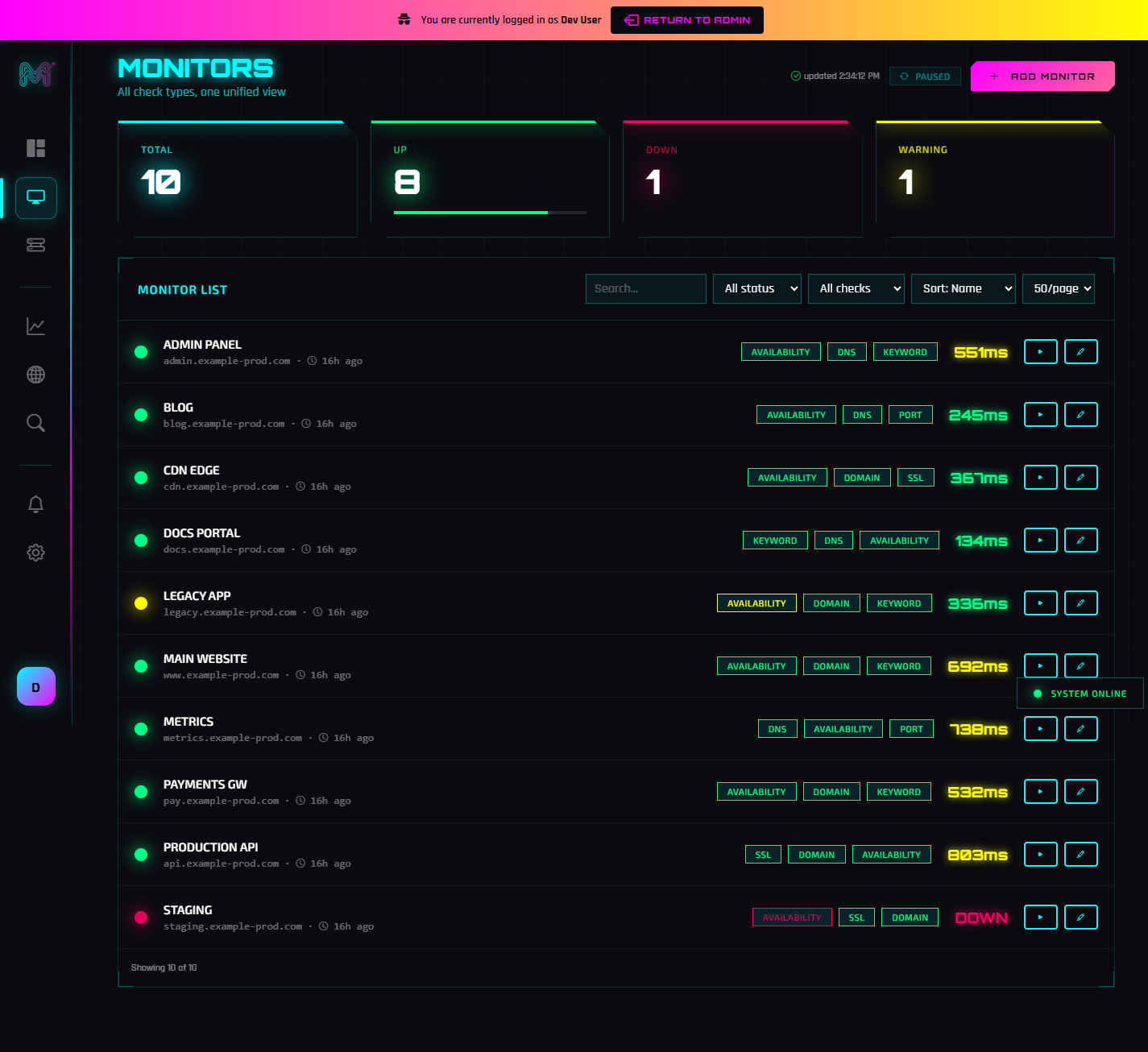
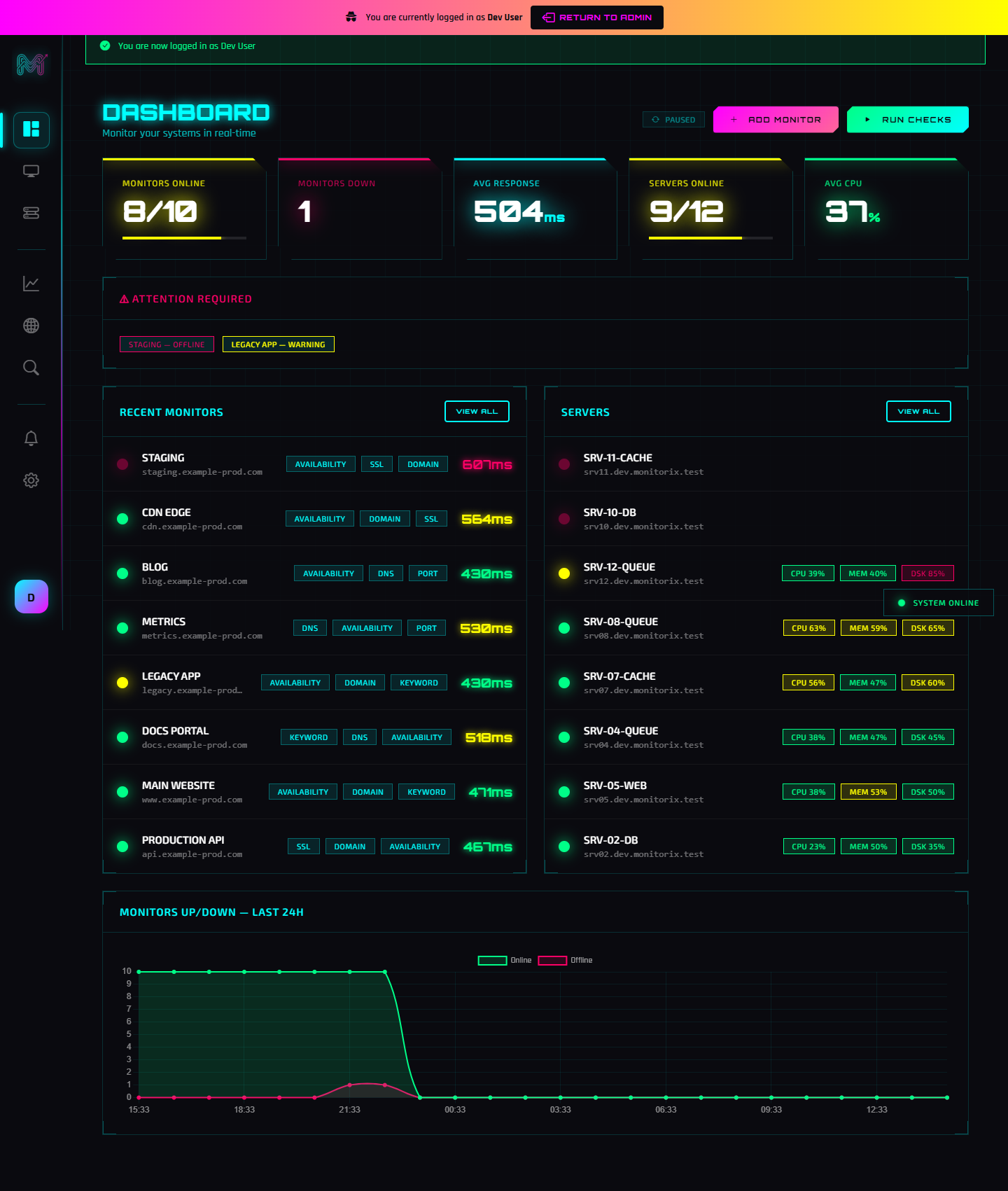
Utilize dashboards like Grafana or Datadog to visualize real-time data on server performance metrics such as CPU load, memory usage, and network traffic.
- Set up alerts for threshold breaches.
- Customize views for different stakeholders.
3. Automated Incident Response
Implement automated scripts for common incidents using tools like Ansible or Puppet. These scripts can perform predefined actions when certain conditions are met, reducing downtime significantly.
# Sample Ansible playbook
- hosts: webservers
  tasks:
    - name: Restart Apache if not running
      service:
        name: apache2
        state: restarted
Best Practices in Server Monitoring
- Diversify Monitoring Tools: Use a combination of open-source and commercial tools to cover all aspects of your infrastructure.
- Regularly Update Your Systems: Keep all software up-to-date to minimize security vulnerabilities.
Avoid Common Pitfalls
- Avoid relying solely on reactive monitoring; always aim for proactive measures.
Conclusion
Maximizing uptime requires a strategic approach to server monitoring that incorporates advanced tactics and technologies. By adopting predictive analytics, real-time dashboards, and automated incident responses, IT professionals can significantly enhance their system's reliability.
If you're ready to take your server monitoring to the next level, start by evaluating your current setup and integrating these best practices into your workflow.
Frequently Asked Questions
What are advanced tactics for maximizing uptime?
How can I reduce downtime proactively?
Do more frequent checks improve uptime?
What role do alerts play in uptime?
Related Posts